
How to Choose the Best Cleaning Products for Your Home
Understanding Your Cleaning Needs
Choosing the best cleaning products for your home starts with understanding your specific needs. Different surfaces and materials require distinct cleaning agents. For instance, hardwood floors need a different cleaner than ceramic tiles. Consider what areas of your home need the most attention and prioritize accordingly.
Additionally, think about whether you need products for deep cleaning or regular maintenance. This will help you decide between heavy-duty cleaners and more gentle, everyday solutions.
Evaluating Ingredients and Safety
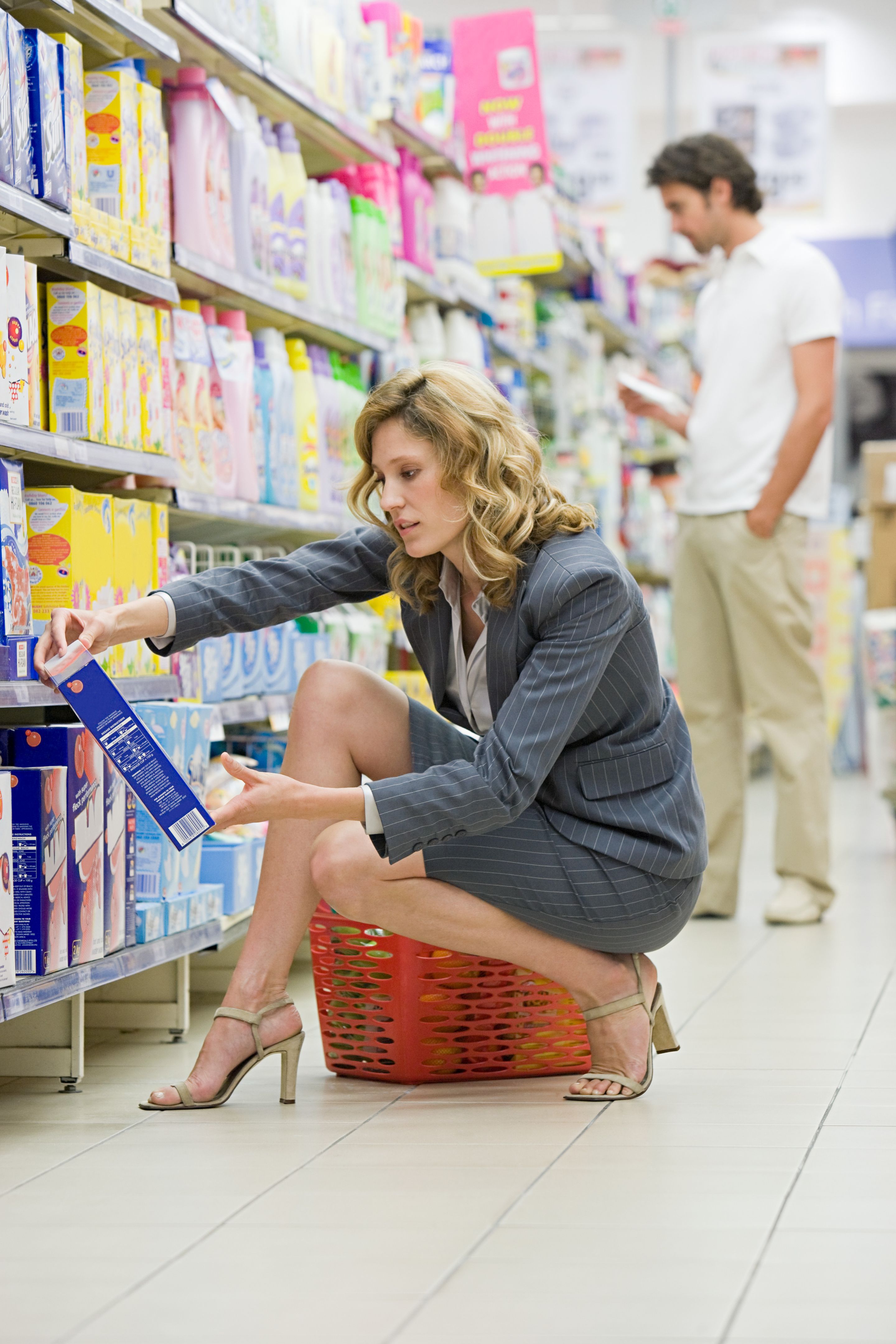
Always check the ingredient list on cleaning products. Some chemicals can be harsh, causing allergies or irritations. Look for products labeled as non-toxic or eco-friendly if safety is a priority for your household. These products are designed to be effective while minimizing harm to the environment and your health.
Be cautious of products with strong fragrances, as they may contain chemicals that could affect indoor air quality. Opt for fragrance-free or naturally scented options when possible.
Considering Cost and Value
While it's tempting to opt for the cheapest option, consider the value that a product offers. A more expensive cleaner that lasts longer or works more effectively can be more economical in the long run. Compare different brands and read reviews to gauge the quality and reliability of the products.
Exploring Eco-Friendly Options
With growing awareness of environmental issues, many consumers are turning to eco-friendly cleaning products. These products are often biodegradable and packaged in recyclable materials. Not only do they reduce your carbon footprint, but they also ensure a safer home environment.
Look for certifications such as "Green Seal" or "EPA Safer Choice" to ensure the eco-friendly claims are legitimate. Supporting these products can contribute to a healthier planet and home.
DIY Cleaning Solutions
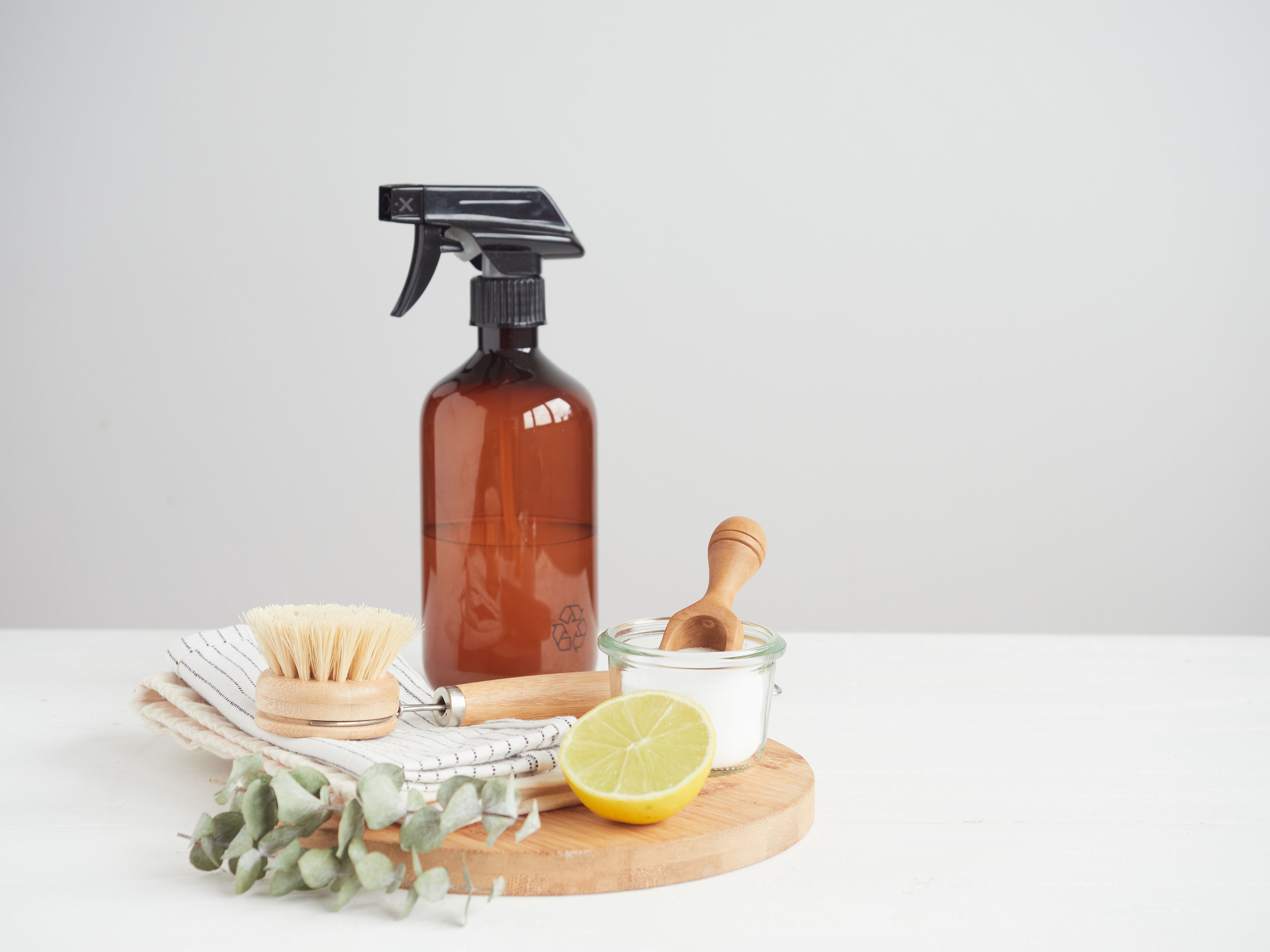
For those interested in natural cleaning, DIY solutions can be a great alternative. Common household items like vinegar, baking soda, and lemon juice can be used to create effective cleaners. These solutions are often cheaper and free from harsh chemicals.
However, it's important to research and test these mixtures to ensure they are safe for the surfaces in your home. Always conduct a spot test before applying any DIY solution widely.
Testing and Adjusting
Once you’ve chosen your cleaning products, it's essential to test them in small areas first. Monitor their effectiveness and any reactions they may cause on surfaces. This trial process can help you fine-tune which products work best for your home.
Don't be afraid to make adjustments as needed. Sometimes, a combination of different products can yield the best results. Keep experimenting until you find the perfect match for your cleaning needs.